
Why Terracotta Klompie Bricks Continue to Shape South African Architecture

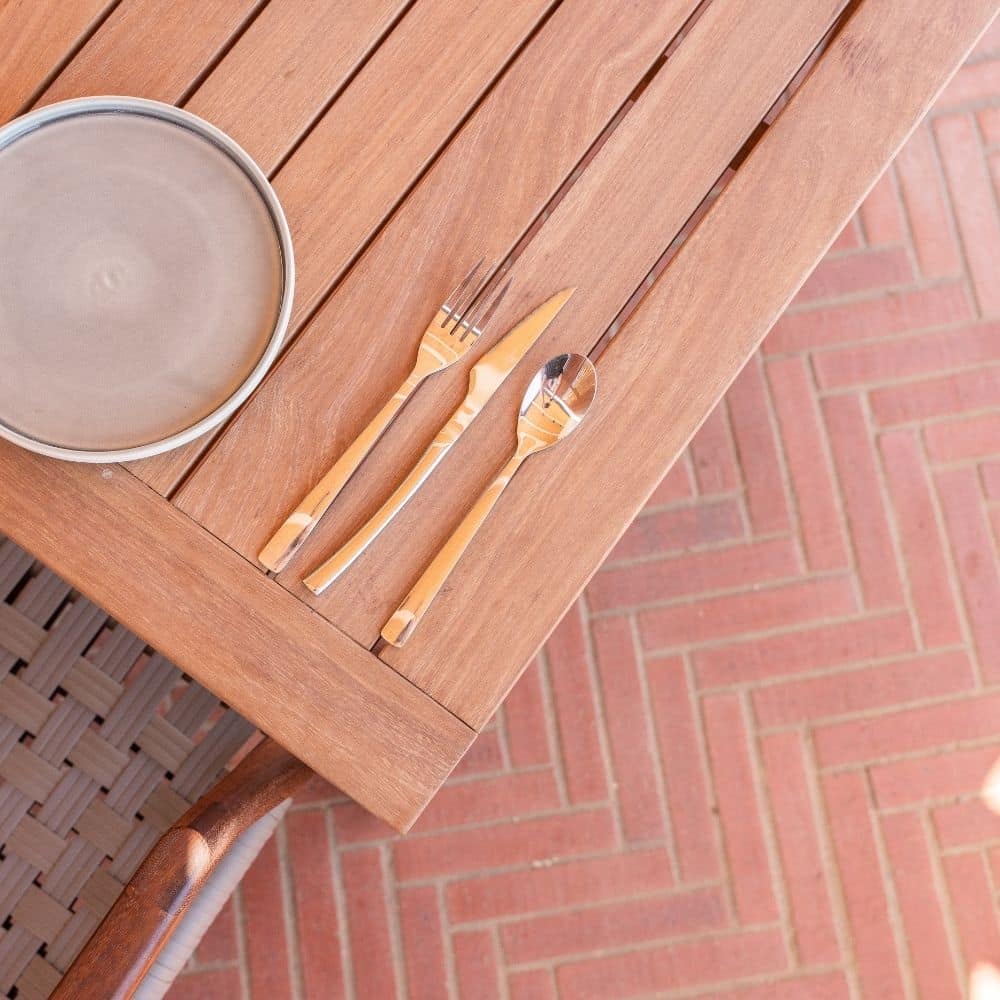
For over 350 years, the terracotta klompie brick has been a defining element of South African architecture. Rooted in tradition yet continually reinterpreted, this humble clay brick remains relevant in 2026 for its durability, natural beauty and versatility across both heritage and contemporary spaces.
What Is a Terracotta Klompie Brick?
The klompie brick is a traditional terracotta clay brick, historically handmade and fired using natural methods. Its slightly irregular form, rich earthy tones and tactile surface are what give it enduring character. Originally used in early Cape Dutch and vernacular architecture, klompie bricks were prized for their strength, thermal performance and local availability.
Today, these same qualities make the terracotta klompie brick a sought-after material in modern South African homes, restaurants and public spaces.
A Brick Embedded in South African Architectural History
Klompie bricks tell a story of craft, place and resourcefulness. For centuries, clay was sourced locally and shaped by hand, creating bricks that carried subtle variations in colour and texture. These nuances are what give older buildings their warmth and authenticity, qualities that are increasingly valued in contemporary design.
At Klay, this respect for history remains central. Our approach honours the original craft while refining it for modern applications, ensuring the spirit of traditional terracotta continues to shape today’s spaces.
Why Klompie Bricks Still Matter in 2026
In an era driven by sustainability and longevity, clay bricks are more relevant than ever. Terracotta klompie bricks are:
- Naturally durable and long-lasting
- Made from raw, locally sourced materials
- Thermally efficient, helping regulate indoor temperatures
- Low maintenance and age beautifully over time
As architects and designers move away from short-lived finishes, authentic materials like terracotta are being re-embraced for their honesty and permanence.


Modern Uses for Terracotta Klompie Bricks
While historically associated with walls and floors, klompie bricks are now used in a wide range of contemporary applications. In 2026, we’re seeing increased use of terracotta in:
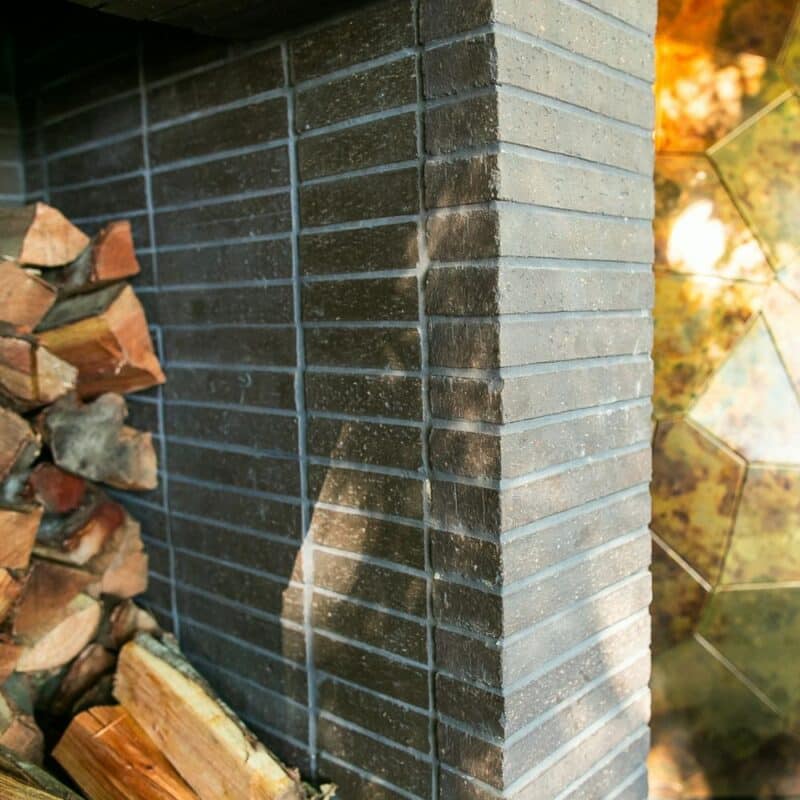
- Feature walls and facades
- Outdoor kitchens and entertainment areas
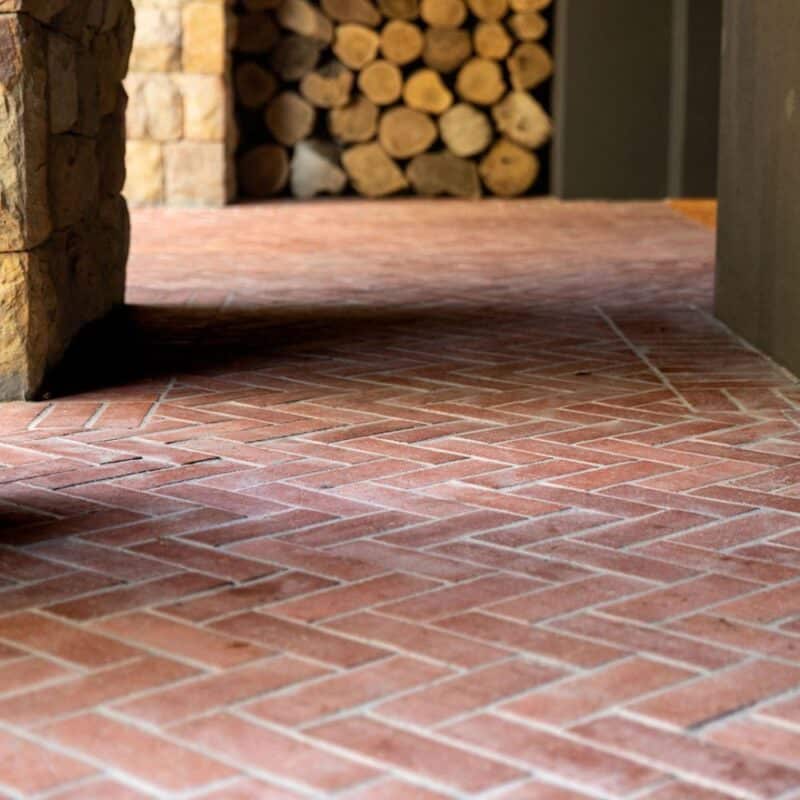
- Courtyards and walkways
- Interior flooring and transitional spaces
These applications bridge the gap between old and new, allowing heritage materials to sit comfortably within modern architectural language.
Klompie Bricks vs Klompie Tiles
While klompie bricks and klompie tiles share the same clay origins, they serve different design needs. Bricks offer structural presence and depth, while tiles provide a refined, surface-level interpretation of the same material story.
Klay’s terracotta tiles are often selected for projects where designers want the warmth and history of clay, but in a more contemporary format suited to modern interiors.
Choosing the Right Clay Brick or Tile for Your Project
Selecting the right terracotta product depends on how and where it will be used. Factors to consider include:
- Indoor vs outdoor application
- Exposure to moisture or heavy foot traffic
- Desired level of texture and variation
- Integration with surrounding materials
Our team works closely with architects and designers to ensure the chosen product performs technically while staying true to the intended aesthetic.
Frequently Asked Questions
What is the difference between a klompie brick and a regular brick?
Klompie bricks, traditionally half the size of standard bricks, are known for their sleek, linear format and natural color variation, while standard bricks are larger and primarily intended for structural use.
Are terracotta klompie bricks suitable for outdoor use?
Yes. When properly specified and installed, terracotta klompie bricks are highly durable and suitable for outdoor paving, courtyards and facades.
Why are clay bricks still popular in 2026?
Clay bricks offer sustainability, longevity and timeless appeal, qualities that align with modern architectural priorities.
A Material That Continues to Evolve
The terracotta klompie brick is more than a building material; it is a living part of South Africa’s architectural identity. By reinterpreting this classic through modern production and design thinking, Klay continues to celebrate the art, history and future of clay in contemporary spaces.
As design trends evolve, one thing remains certain: authentic materials with a story will always endure.