
Efflorescence on Face Bricks in South Africa: Causes & Solutions

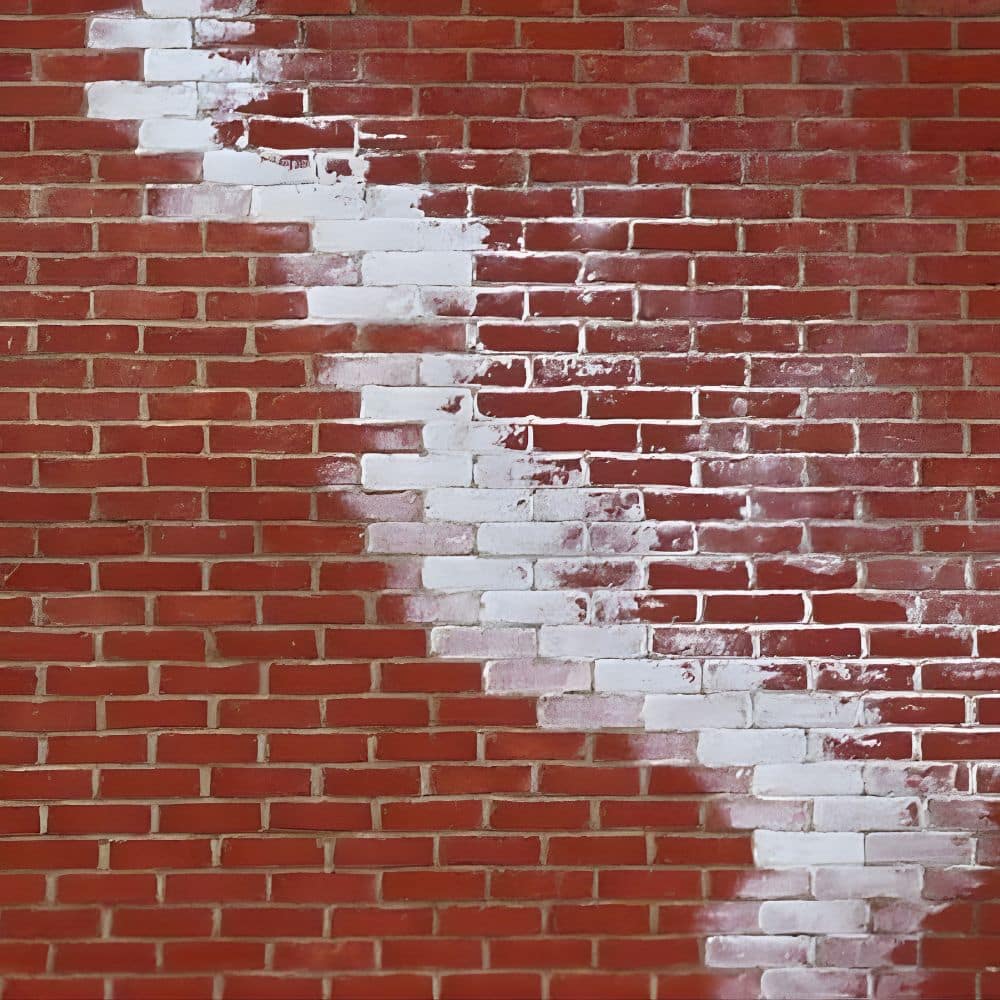
Efflorescence is one of the most common challenges faced by South African builders, architects, and homeowners when working with clay face brick. Seen as a white or greyish crystalline deposit on brick surfaces, efflorescence is more of an aesthetic concern than a structural one.
Efflorescence is one of the most common challenges faced by South African builders, architects, and homeowners when working with clay face brick. Seen as a white or greyish crystalline deposit on brick surfaces, efflorescence is more of an aesthetic concern than a structural one.
What is Efflorescence?
Efflorescence is a surface deposit of salts carried by moisture within masonry. As the water evaporates, salts crystallise on the face of the brick, creating an unsightly powdery or patchy appearance. While efflorescence does not harm the structural strength of the wall, it can undermine the clean, natural finish expected from premium clay face bricks.
In South Africa, where face brick is widely used for its durability and low maintenance, understanding efflorescence is key to long-term building performance.
Causes of Efflorescence in Face Brickwork
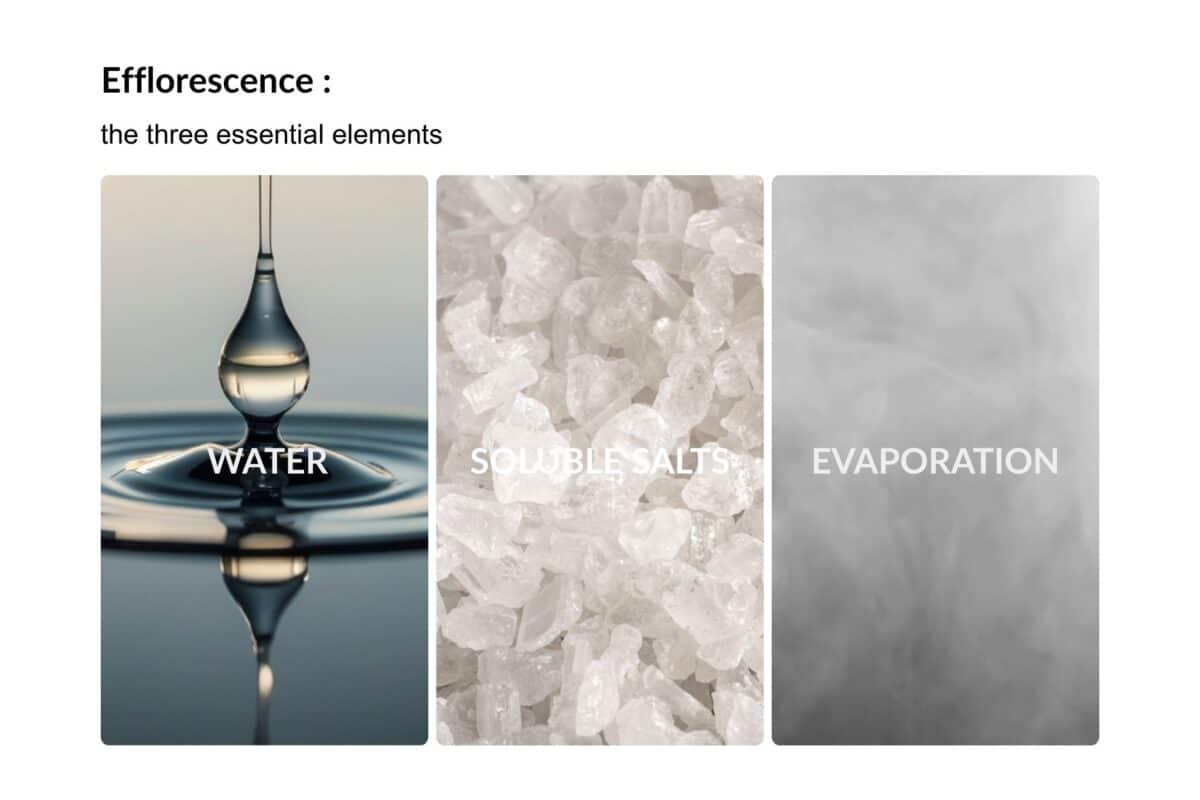
There are three essential conditions that lead to efflorescence:
- Soluble salts: Salts can originate from the bricks, mortar, sand, groundwater, or surrounding soil.
- Moisture movement: Water acts as a carrier, dissolving salts and drawing them through the brickwork.
- Evaporation: Once at the surface, moisture evaporates, leaving crystalline salts behind.
In South African building projects, common causes include:
- Poor site drainage and rising damp.
- Use of sand with high salt content in mortar mixes.
- Excessively strong cement-rich mortar mixes.
- Heavy rainfall during construction without adequate weather protection.
Prevention Strategies
The best way to address efflorescence is to prevent it.
- Use quality bricks: Select face bricks from trusted suppliers like Klay, which are manufactured with low soluble salt content and meet SABS standards.
- Optimal mortar mix: A 1:6 cement-to-sand ratio is recommended. Avoid over-rich cement mixes, which are more prone to efflorescence.
- Proper site drainage: Good foundation drainage and damp-proof courses reduce rising damp.
- Protect brickwork: Cover newly built walls with plastic sheeting to protect against rain during construction.
- Clean, washed sand: Always use washed, well-graded sand with low organic and salt content.
Solutions When Efflorescence is Already Present
If efflorescence has appeared on face brickwork, the following solutions are effective:
- Dry brushing: Use a stiff, dry brush on a dry wall to remove salts.
- Water washing: Hose or scrub gently with clean water. Repeat if necessary, as salts may reappear until depleted.
- Mild acid cleaning: For persistent efflorescence, a diluted hydrochloric acid solution (1 part acid to 10 parts water) may be used, followed by thorough rinsing. Protective gear and care are essential.
- Allow time: Efflorescence often fades naturally over time as salts are washed away by rainfall.
Long-Term Considerations for South African Buildings
While efflorescence is typically temporary and can wash away on its own from new brickwork, recurring efflorescence can indicate deeper moisture problems. Regular inspections, good detailing around copings, sills, and damp-proof courses, as well as proper maintenance, are crucial in South Africa’s diverse climates. Coastal regions, with high salt content in the air and soil, require particular attention.
Building for the Long Run
Efflorescence on face bricks is a manageable issue when causes are understood, and proper prevention methods are followed. By choosing high-quality face bricks from suppliers like Klay, using correct mortar mixes, and ensuring good site practices, South African builders and property owners can enjoy the lasting beauty and durability of clay face brick.