blog

Let the Breeze In: Screen Blocks vs Air Bricks

Untitled design 2

When it comes to smart design, airflow shouldn’t be an afterthought. Whether you’re building a feature wall, enclosing your patio, or adding texture to your home, the right kind of brick makes all the difference—both structurally and visually.

So, let’s clear the air (literally) on the differences between screen blocks, breeze blocks, air bricks, and vent bricks, and why it matters.

Spot The Difference

Known by many names; screen block, sun break, wall block, air bricks, breeze blocks; and the list goes on, but not all ‘bricks’ serve the same purpose. Some are designed to be bold and beautiful, while others are purely functional.

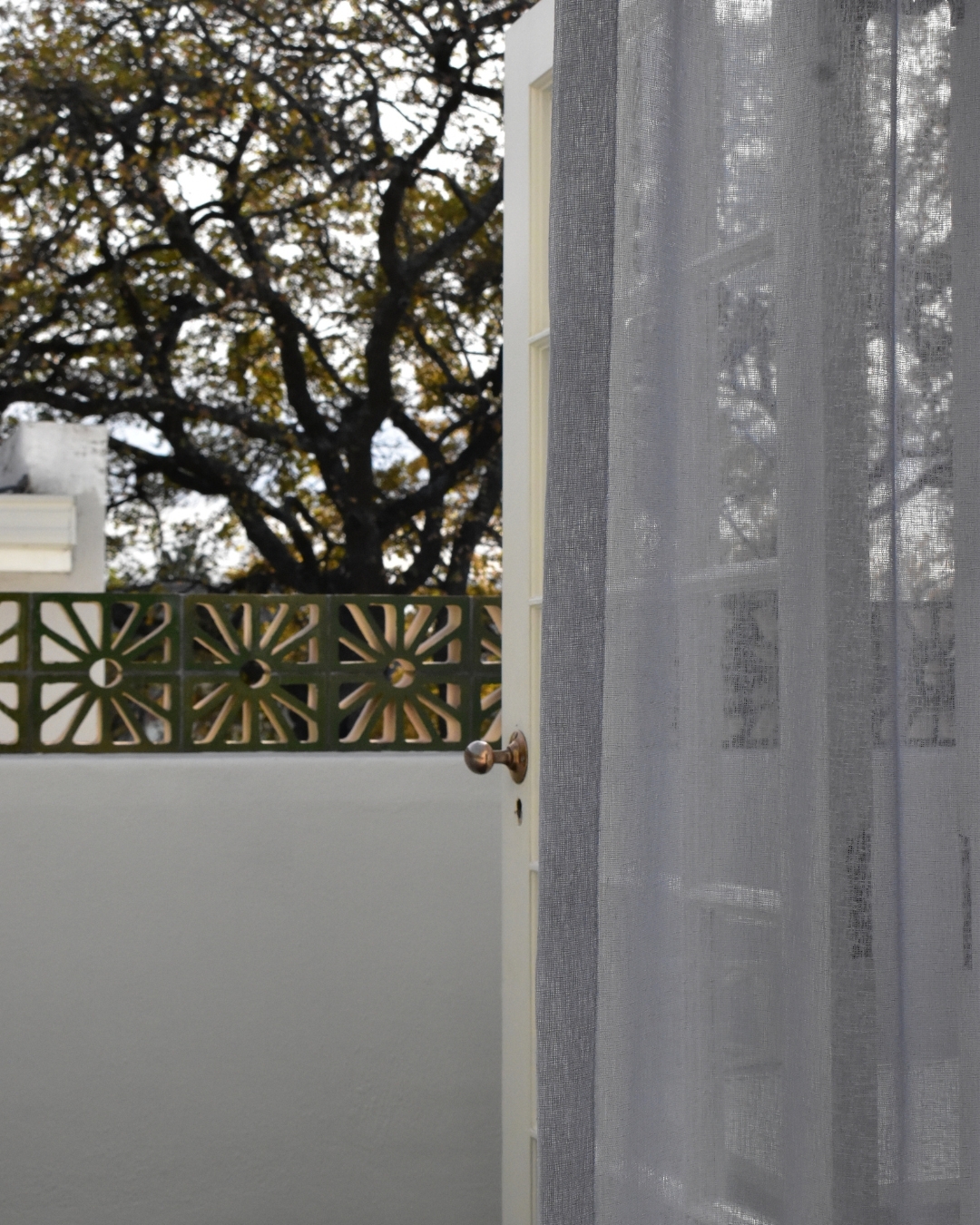
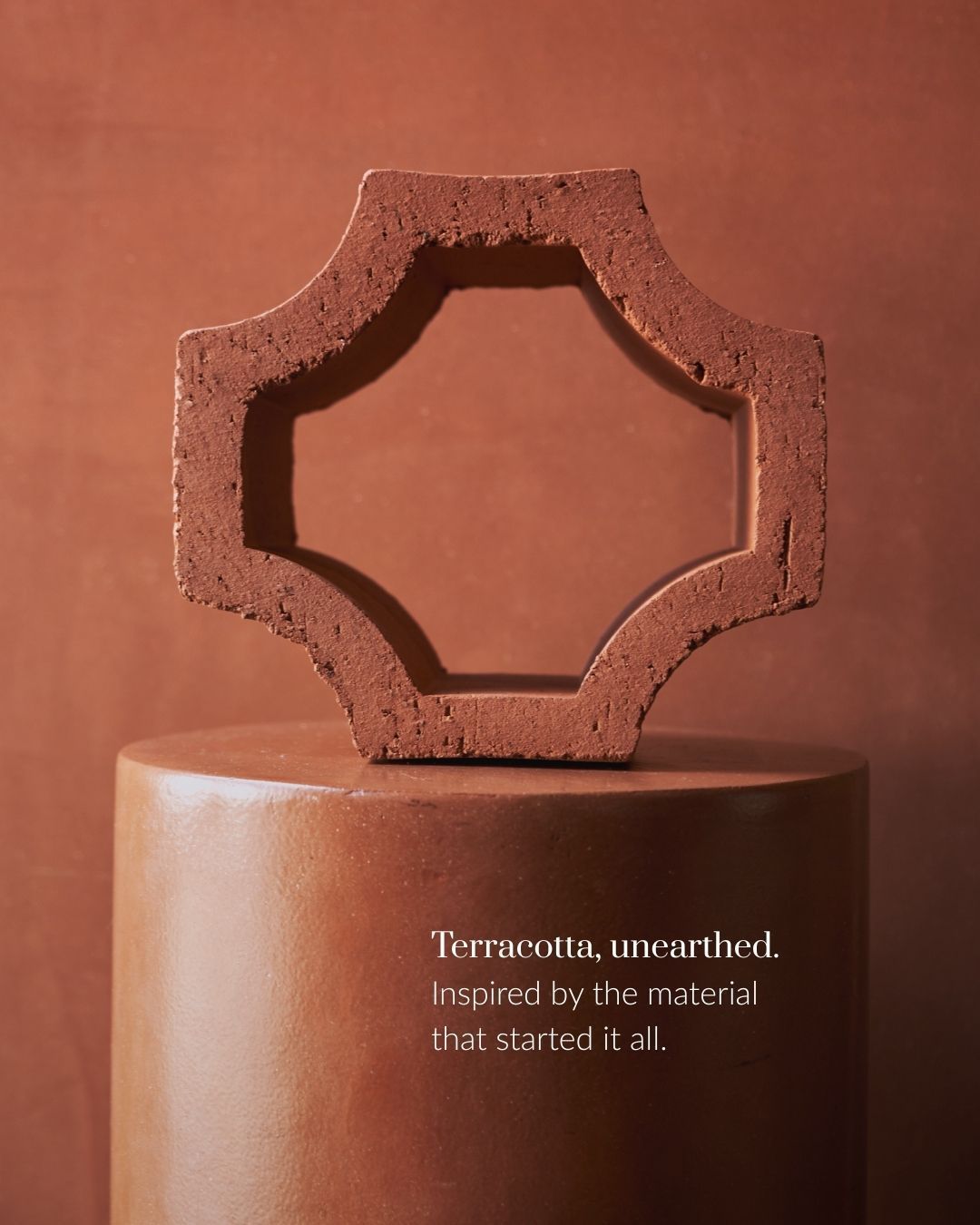
Screen blocks & breeze blocks: Screen blocks, often referred to as breeze blocks, are decorative blocks that allow light and air to pass through, while assisting structure and aesthetics. They’re made to be seen and stand out.

Air bricks & vent bricks: These are primarily functional bricks, used to ventilate underfloor cavities or enclosed spaces inside walls. They help prevent dampness and improve air circulation. Typically made from clay, metal, or plastic, they do a great job quietly behind the scenes.

1

Screen Blocks Through The Ages

Originally made using cinder ash (or ‘coke breeze’, from which the name ‘breeze blocks’ originates) from coal furnaces, these decorative blocks quickly gained popularity during the mid-century modernist movement of the 1950s and ‘60s. Screen blocks were widely used in warm-climate architecture for their ability to provide shade, privacy, and airflow. Blending function with bold geometric form, they became an iconic part of modern design.

Today, they’ve made a stylish comeback with contemporary versions experimenting with natural materials like clay. Offering the same breezy benefits while reimagining a classic feature in modern architecture.

2

To Form Or To Function, That Is The Question

Luckily, with Klay’s screen blocks, you never have to choose. Their clay blocks are both charming in design while offering structural benefits too. Screen blocks define spaces without the need to build solid walls, promoting airflow and light with their lattice design.

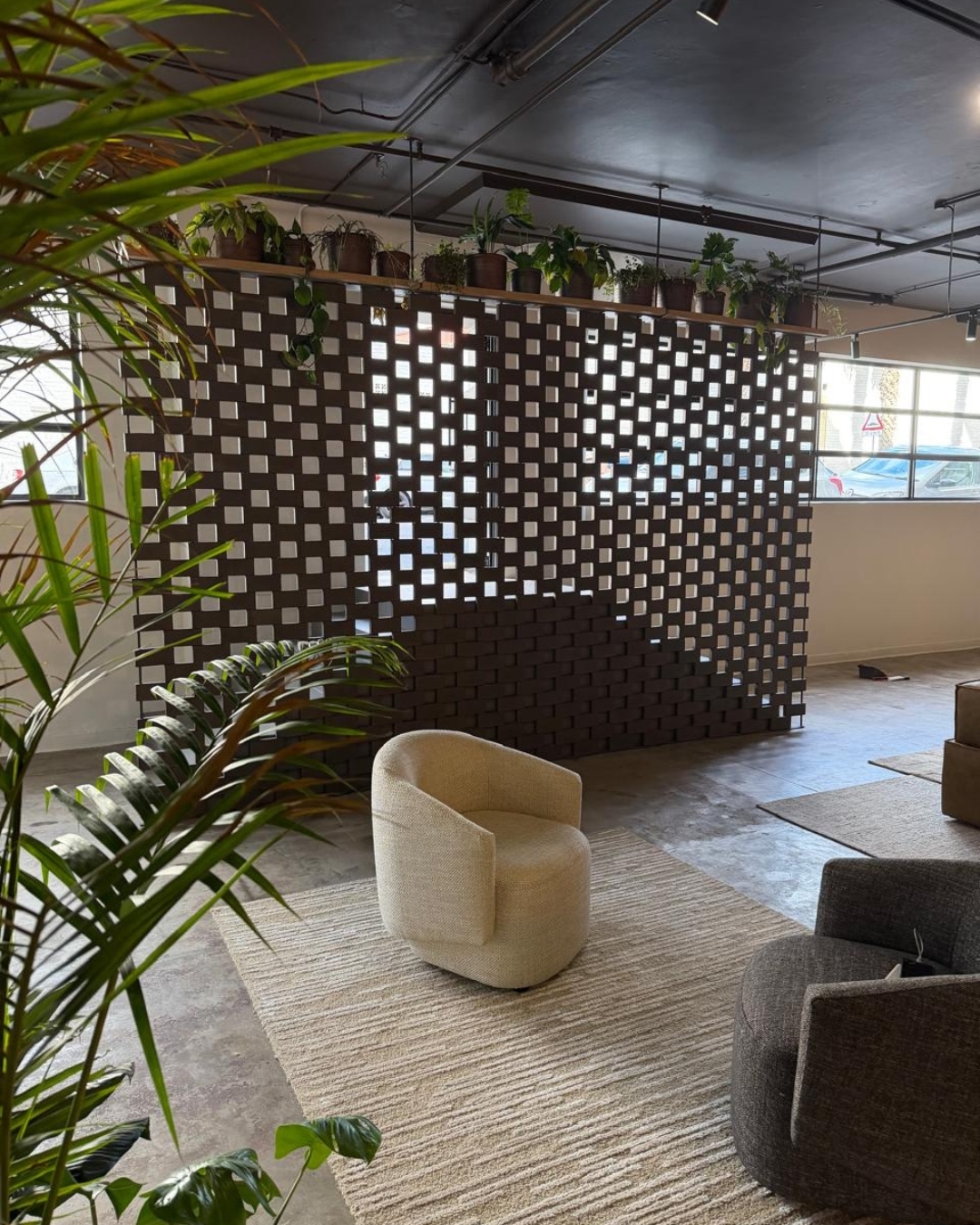
House O’s stunning feature wall is a notable example of the Viento Screen Block being used in the interior space, adding both character and definition. Created with Onnah Design, the feature wall perfectly blends form and function, showcasing how screen blocks can be used to transform a space.

While the natural finish of terracotta blocks are always a crowd favourite, there is certainly a place for bold painted screen blocks as seen in House Inyati. Klay’s screen blocks come in 3 different colours–Chai, Espresso, and Latte–but if you’re after a more personalised touch, consider painting them to match your unique style. Here’s your inspiration!

3

Built To Breathe: Screen Blocks and Ventilation

Air bricks are traditionally used for ventilation, whereas screen blocks are able to enhance both aesthetics and airflow. Their airy design allows for natural ventilation, reducing the need for artificial cooling while maintaining a fresh and breathable environment.

Where air bricks often go unnoticed or blend into the background, Klay’s terracotta screen blocks become the statement piece of any room. With their rich texture and intricate designs, they not only add function but also elevate the overall design.

A Practical Solution For Modern Living

Screen blocks and air bricks have their distinct roles, but if you’re looking to transform your home or office with eye-catching design, Klay’s screen blocks offer you an added range of structural and aesthetic benefits. 


Image credits: Modern Design