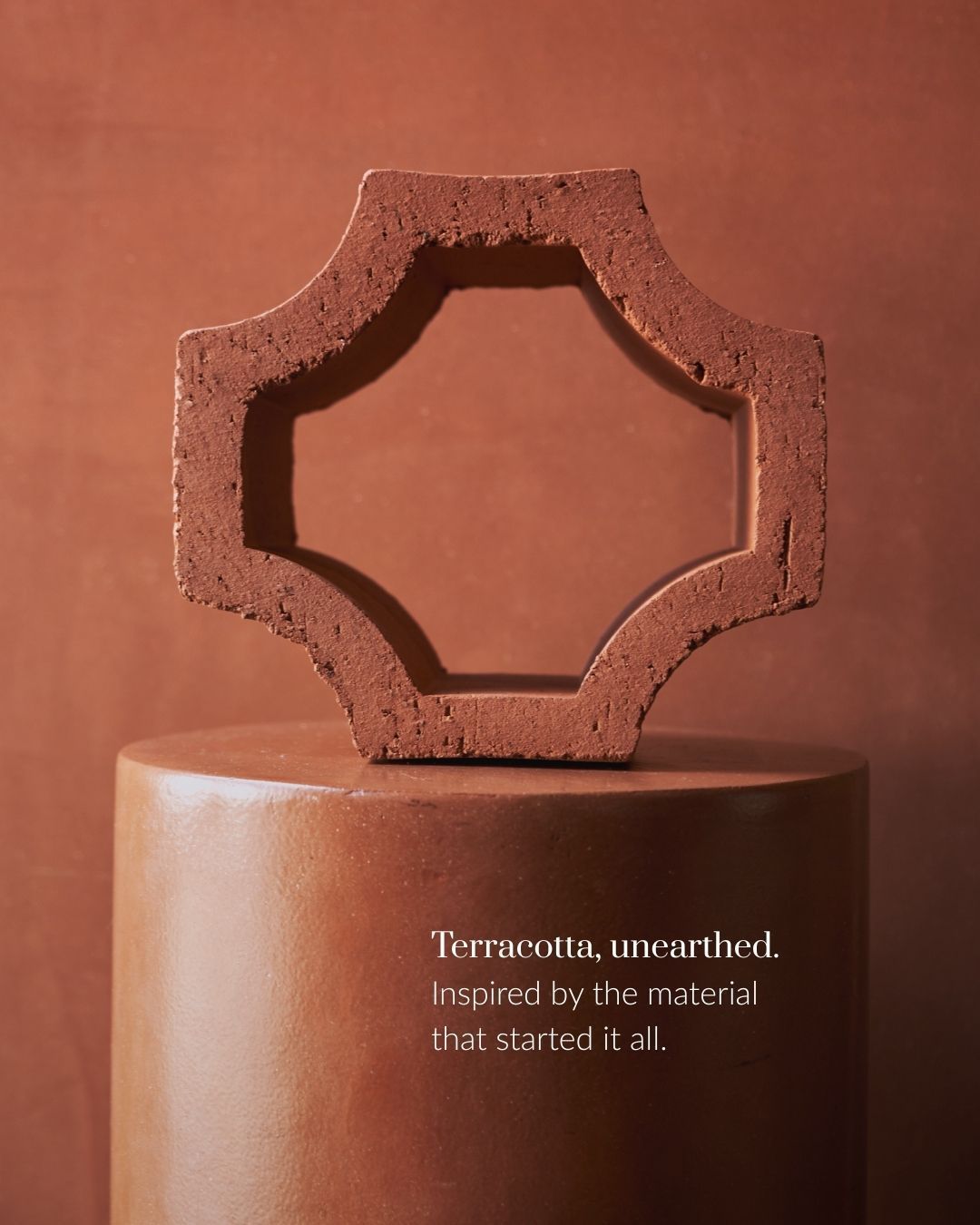
Terracotta – “fired earth” – is a 100% natural product that will last hundreds of years without fading or cracking. Made entirely from natural clay, it offers durability, warmth, and timeless appeal.
What Is Terracotta?
Terracotta is one of the oldest building materials in the world. Ancient civilisations realised over time that when clay is exposed to fire or high temperatures it transforms into something much more resilient: a hard, long-lasting and waterproof material.
Clay is a natural deposit formed over many years, and the Western Cape has extensive deposits of clay. Klay quarries all of their own clay on their properties near Stellenbosch and Malmesbury, ensuring careful rehabilitation once the process is done.
Why Clay Wins: Beauty That’s Baked In
When fired correctly, clay becomes an incredibly strong and water-resistant material known as terracotta. True terracotta won’t fade or lose its character over time. It’s a material that grows more beautiful with age.
Its charm also lies in its natural variation. No two pieces are exactly the same, subtle shifts in tone and texture give it a rich, organic feel that’s hard to replicate. Laid across an entire floor or wall, it creates a surface that’s visually interesting without ever feeling forced.
From Mud To Marvel: How Terracotta Is Made
The basic technique has been around thousands of years. Modern technology has just been introduced to refine it, ensuring consistency and quality.
Mining & preparation: After the clay has been mined, it’s broken up into the correct particle size.
Extruding & cutting: Once the desired consistency is reached, the clay is extruded through a die (imagine a giant pasta maker), shaped into tiles, blocks or bricks, and cut to size.
Drying & firing: Pieces are dried both naturally and mechanically, then fired at over 1000°C in modern kilns. The firing process takes about 24 hours, carefully managing the quartz inversion at 573°C to avoid defects.
Checking & packing: Once cooled to room temperature, each product is hand checked and packed for distribution. Our age-old process is very labour intensive: each product is touched by human hands at least four times before it leaves Klay’s factory.
“We are all about using modern technology to perfect an ancient technique,” explains Klay’s CEO, Julian de le Hunt. “You get a product that’s visually interesting, but you don’t have to worry about your table wobbling on a bumpy tile.”
Hue Knew? Terracotta Comes in More Than One Colour
You may be familiar with terracotta’s traditional reddish, orange colour that comes from using clay with a high iron content, but you can also explore two more natural shades at Klay:
Chai: a classic, rich terracotta that remains the most popular hue
Latte: a softer, paler finish using clay with a lower iron content
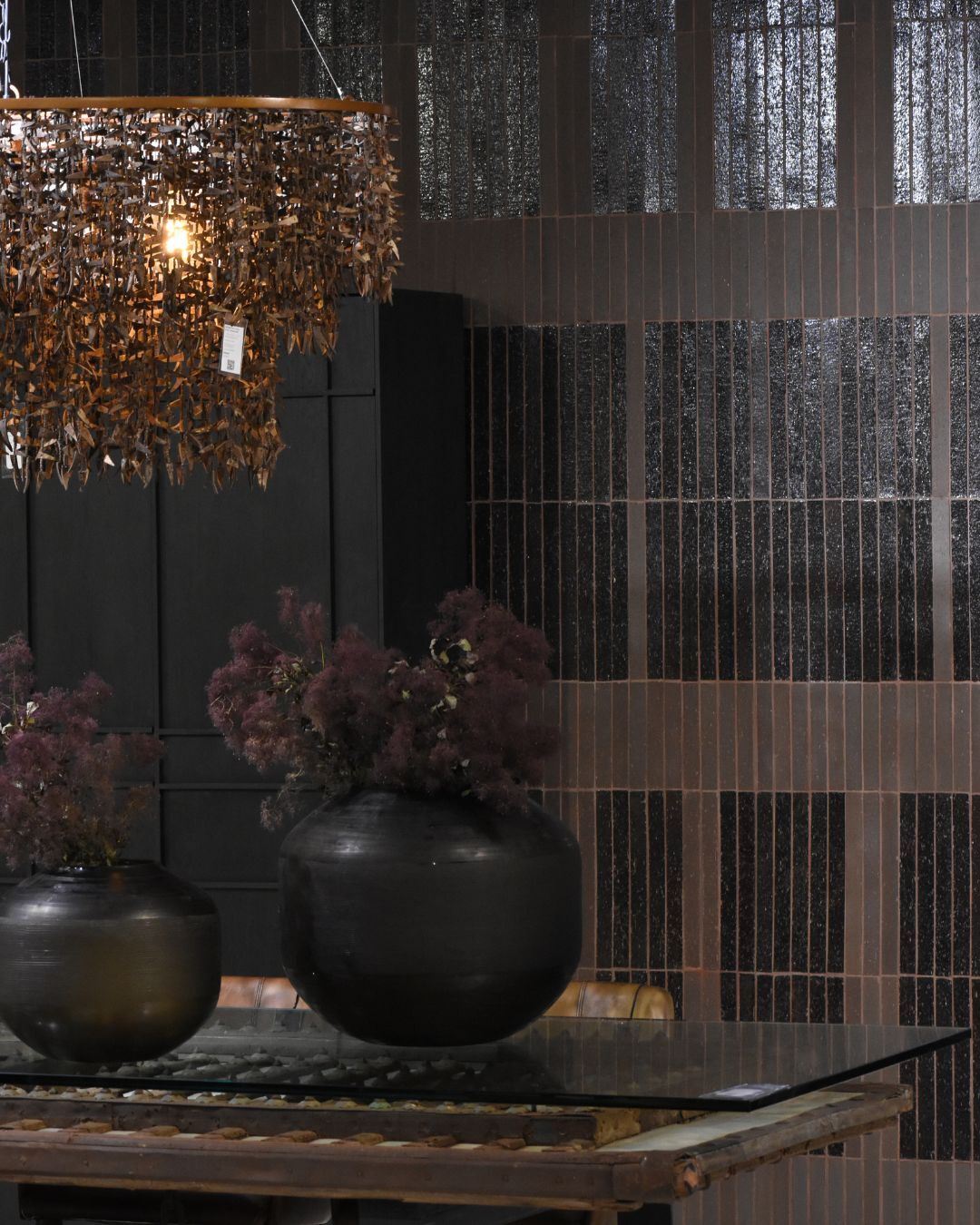
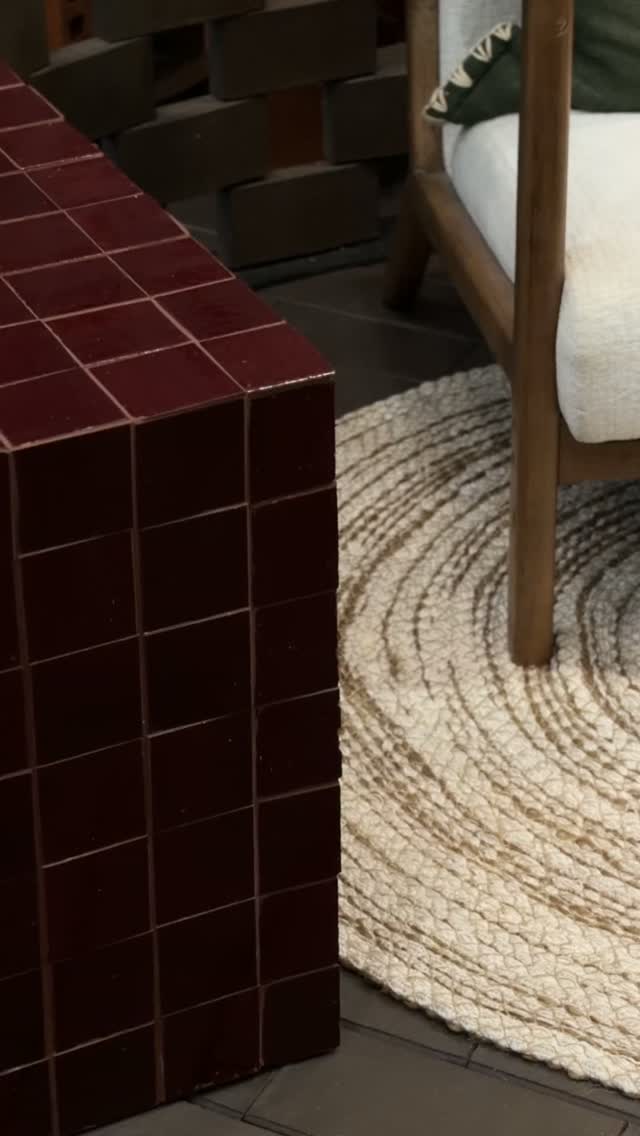
Espresso: a deeper, moodier shade created by adding natural oxides to the clay before firing. Because the oxide is burnt into the product during firing, it will never fade.
Texture Talks: Smooth or Travertine
Often, terracotta products will have a natural smooth finish. If you want a more textured look, consider Klay’s travertine range. Also 100% natural, travertine products are made by removing the outer ‘skin’ of the clay just before firing. This textured finish is great for areas that often get wet like outdoor stoeps, bathrooms and pool surrounds.
Ready To Lay Some Clay?
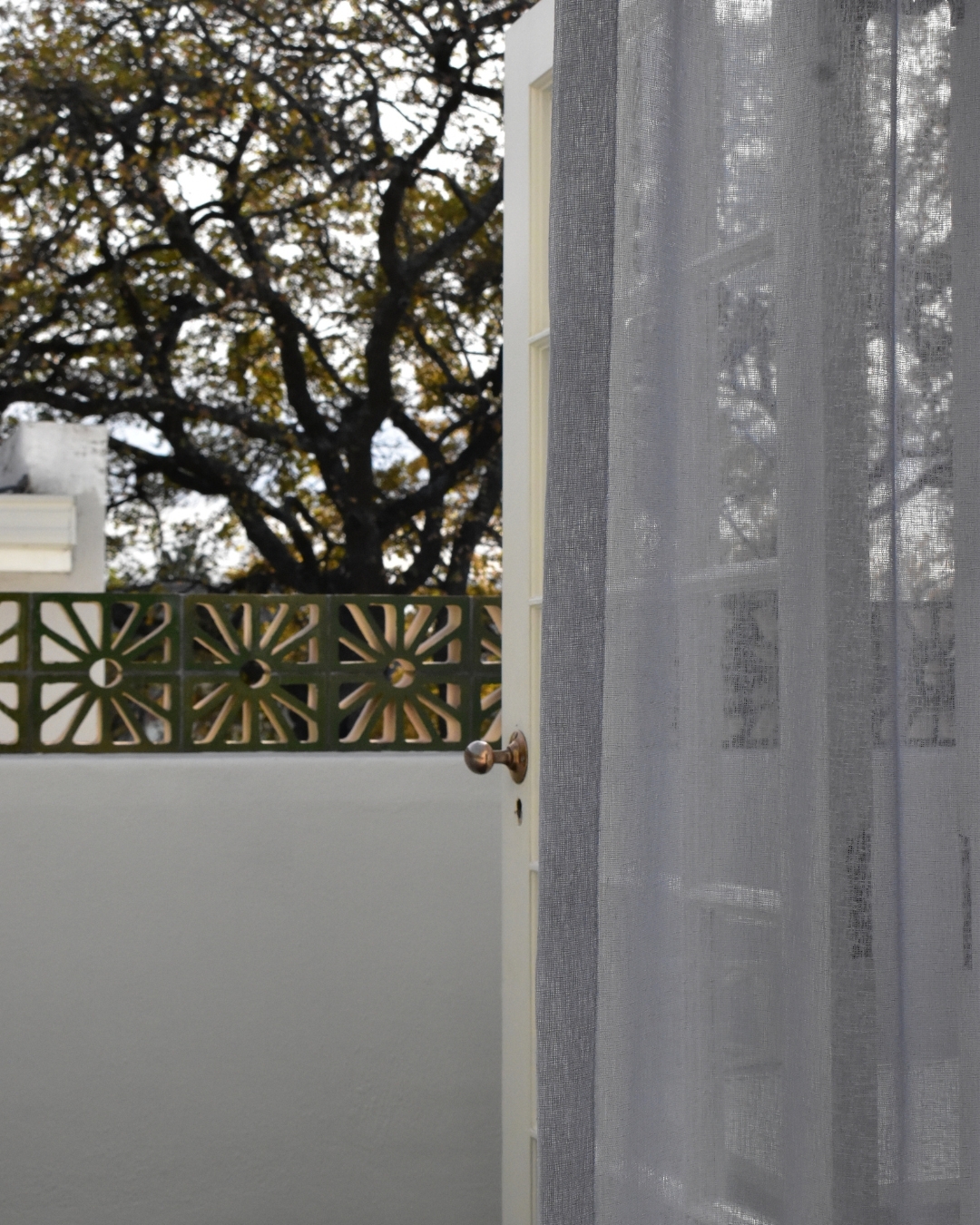
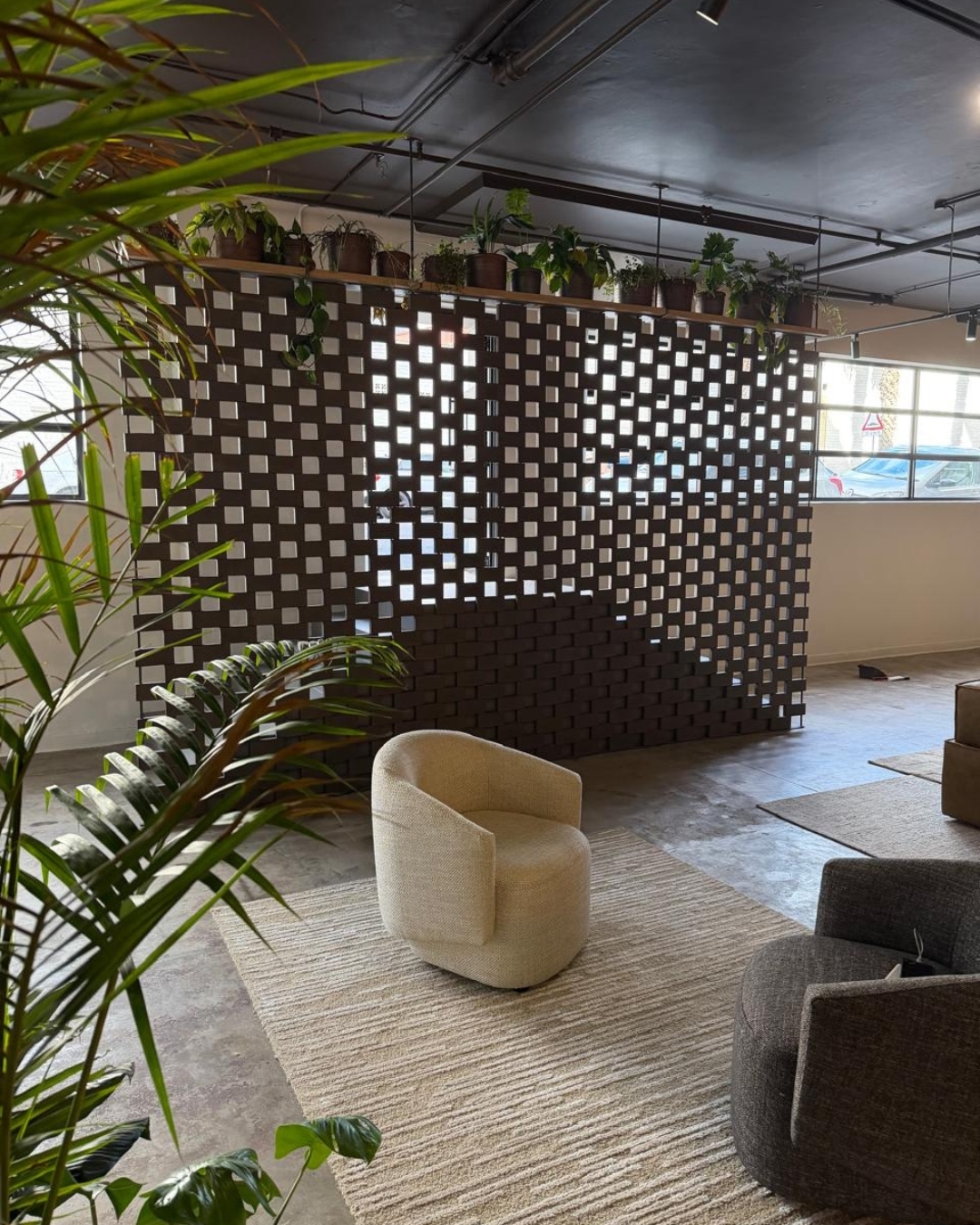
If you’re looking to include a sustainable, enduring material in your next design or construction project, terracotta is well worth considering. With a range of natural terracotta building products, from tiles to klompies to screen blocks, the design opportunities are endless with Klay.
“Our product is the real thing”, says de la Hunt. “Genuine terracotta may be more expensive initially, but you need to look at a product over its life cycle. Terracotta is not a fad, it will never go out of fashion, and you won’t need to replace it in 10 or 20 or even 30 years.”